
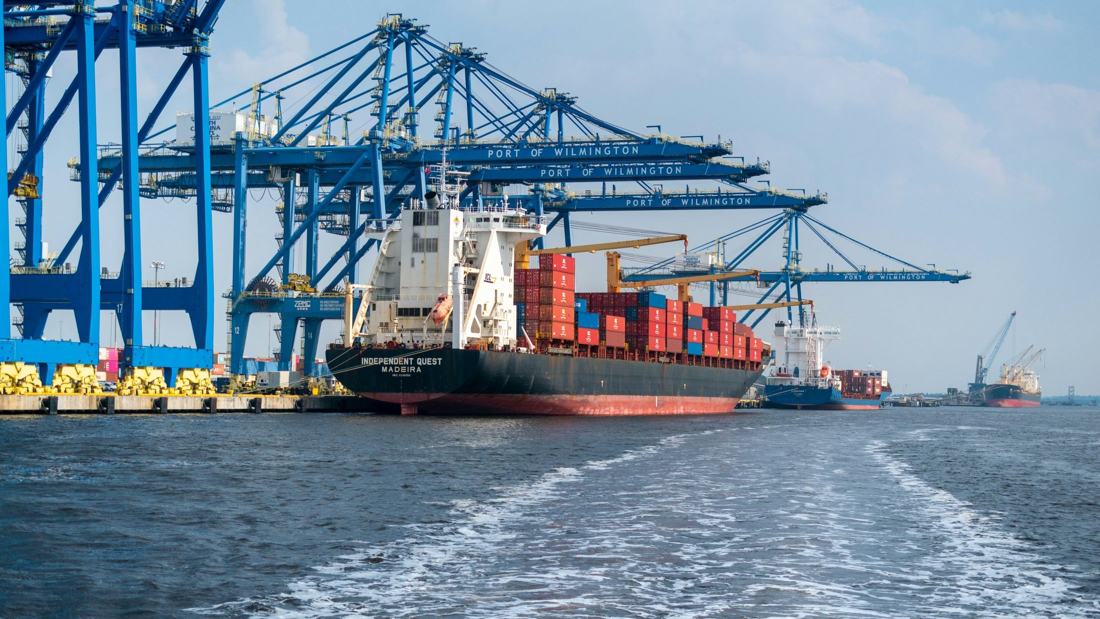
When shipping goods by sea, one of the first decisions you will face is whether to book a full container for your goods or ship them in a container shared with other shipments. The right choice directly affects cost, time and how your goods are handled.
What is Full Container Load (FCL)?
With FCL, an entire container is dedicated to your goods, whether you fill it completely or not. The container is loaded and sealed at the collection point and is usually not opened until it reaches its destination or customs inspection.
- Usually suits larger volumes.
- Less handling of goods, reducing the risk of damage.
- Often faster, as there is no need to consolidate with other shipments.
What is Less than Container Load (LCL)?
With LCL, your goods share a container with other clients’ cargo, and you pay only for the space your shipment occupies, usually calculated by cubic metre or weight.
- Suits small and medium volumes.
- No need to wait until you have enough cargo to fill a container.
- May take longer because of consolidation and deconsolidation stages.
Quick comparison
| Criterion | FCL | LCL |
|---|---|---|
| Shipment volume | Large | Small to medium |
| Pricing | Per container | By space or weight |
| Handling | Less | More |
| Transit time | Often shorter | Often longer |
How to choose the right option
There is no single rule for every shipment. Consider the volume and nature of your goods, how sensitive they are to handling, and the required delivery date. In some cases a full container becomes more economical than LCL even when it is not full, so it is always worth comparing both options before booking.
At Horizon Navigation, we help you choose the right shipping option based on volume, destination and schedule, with a clear service scope, cost and estimated timeline from the start.